How much contingent capacity should you commit to up front?
How to agree on contractor capacity, review it once the work is clearer, and use what the team learns to plan the next project.
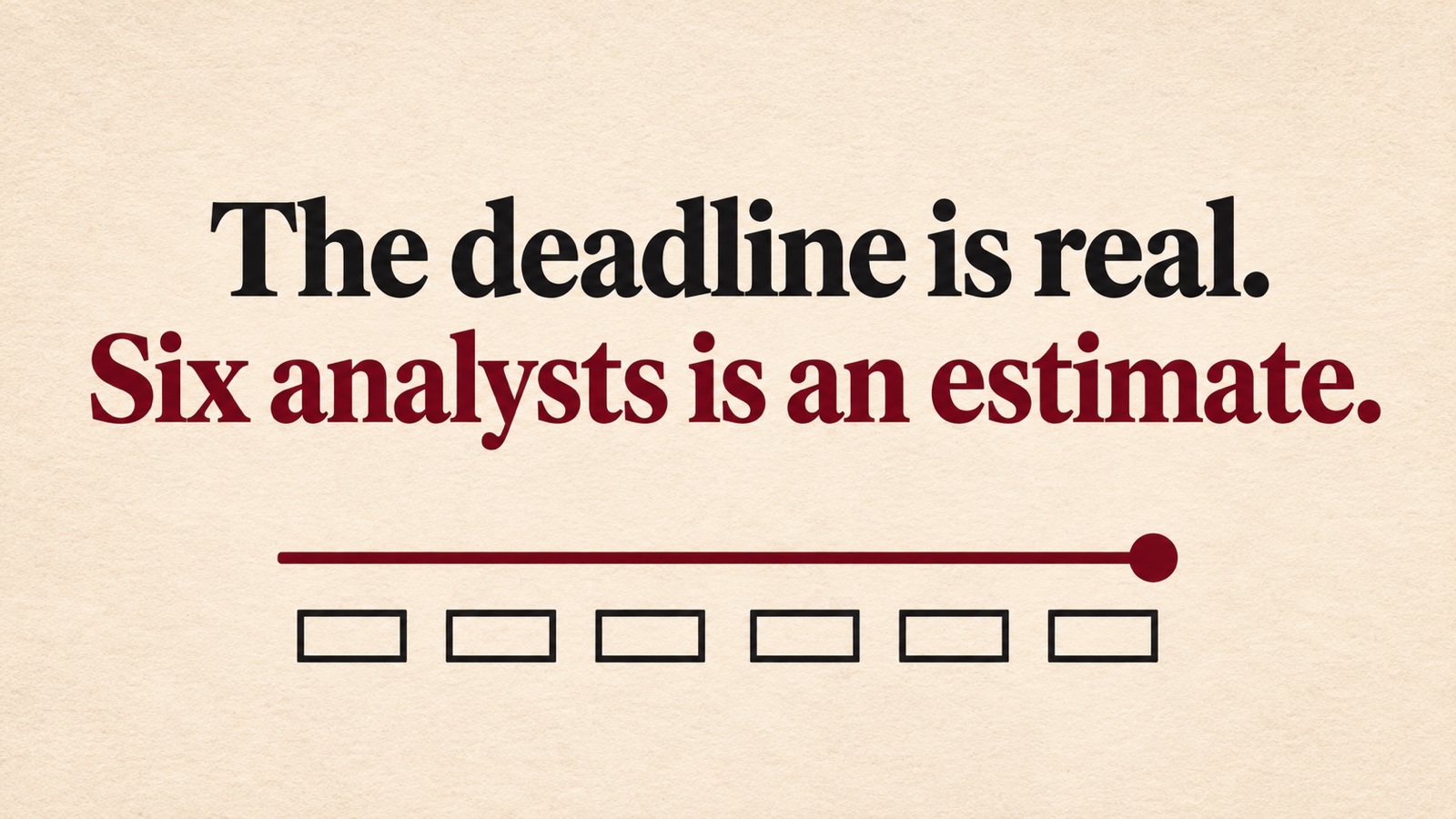
A project manager asks for six analysts for six months. The company is moving customer records into a new system. Someone needs to compare the old and new records, fix discrepancies and confirm that the data is ready to use.
The six-month deadline is real. Six analysts is an estimate.
Once that request is approved, the estimate becomes a hiring plan, a budget and a commitment to a staffing supplier. The team may only find out how much effort the migration requires after the analysts start.
This is one reason companies bring in contractors. They need skills or capacity while the amount of work is still uncertain. The engagement can give the business room to adjust as it learns.
What changes when AI enters the work?
In the first few weeks of the migration, the analysts see where the records differ. Some differences are easy to handle. The old system spells out a country name. The new system uses a two-letter code. Other cases need someone who understands the data and can work out which source to trust.
The team can use rules for known differences and test whether AI can suggest matches for messier records. The analysts check those suggestions against a sample they’ve already reviewed by hand. If the approach holds up, the project may need less time comparing records and more specialist time resolving the harder cases. If the suggestions create extra review and rework, the project may still need all six analysts.
Either way, the team knows more after the first batch. Can it act on what it learns?
Decide what can change before you sign
For this migration, I’d agree on the people the project needs from day one and the additional capacity it might need once it sees the data. Then I’d set a review after the first batch, while there’s still time to change the plan.
The project owner can look at how many records passed the checks, how much rework the team did and what the remaining cases need. They might keep the team as planned, bring in a data specialist or add more analysts because the records are harder to reconcile than expected.
The contingent workforce programme team, or its managed service partner, can ask the staffing supplier how quickly it can add capacity or bring in a different skill. Procurement can agree what changes the contract allows, how much notice each side needs and what the change will cost.
A specialist available next week costs the supplier money to hold in reserve. The client can pay for that assurance or agree to a longer lead time. The people doing the work need clarity about the duration and terms of their assignments. If the deadline leaves little room to wait, securing the whole team from day one may be the right call.
Give the next project a better starting point
While the analysts are still on the project, have them and the project owner write down how the work actually ran. What checks worked? Which AI suggestions needed correction? Which discrepancies needed someone to make a judgment? Keep a few examples and the criteria the team used to accept a batch.
Agree who will maintain that workflow after the project ends. If a supplier delivers the project, agree at the start what it will hand over at the end.
On the next migration, the team can test the same workflow against a sample of the new data. If the checks still hold and the results need less manual review, the project owner has evidence for a different staffing plan. The next request can start from what the last team learned.
One question to take to your leadership team
Which upcoming engagement could we structure so that what we learn in the first month changes what we commit to for the rest?