Best Practices & Insights
Expert guidance, proven strategies, and actionable insights for managing your contingent workforce effectively and compliantly.
Showing 17 articles
Featured Articles
Your contingent workforce program has no nervous system
In some organisations, the CW team or MSP genuinely owns lifecycle governance. There's a dedicated function, a defined operating model, vendor oversight, and someone accountable for what happens between onboarding and exit. The problem there isn't that governance doesn't exist. It's that maintaining it is manual, slow, and expensive in team hours.
Your Vendor QBR Shouldn't Be Their Show
Most mature programs have VMS data. Fill rates, submission timelines, end-of-engagement ratings, maybe cost-per-engagement. The data is not the problem. The problem is what it takes to turn that data into something you can actually use in a room.
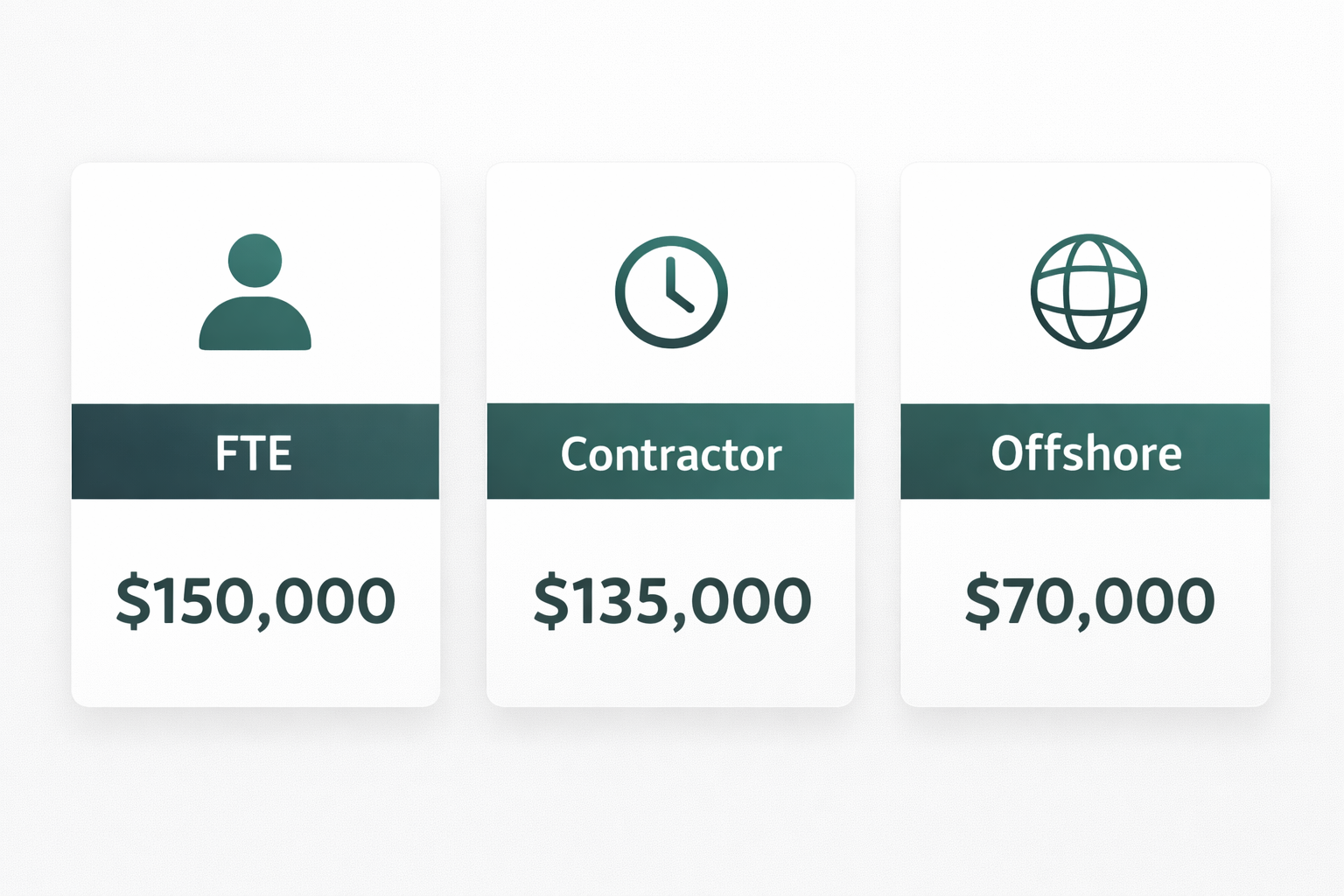
The FTE vs Contractor Question Deserves a Real Model. Not a Gut Feel.
Most FTE versus contractor conversations collapse all of this into a single question about hourly rate. That is why the decisions are often wrong and the reasoning rarely survives scrutiny.
AI in Contingent Talent Rate benchmarking
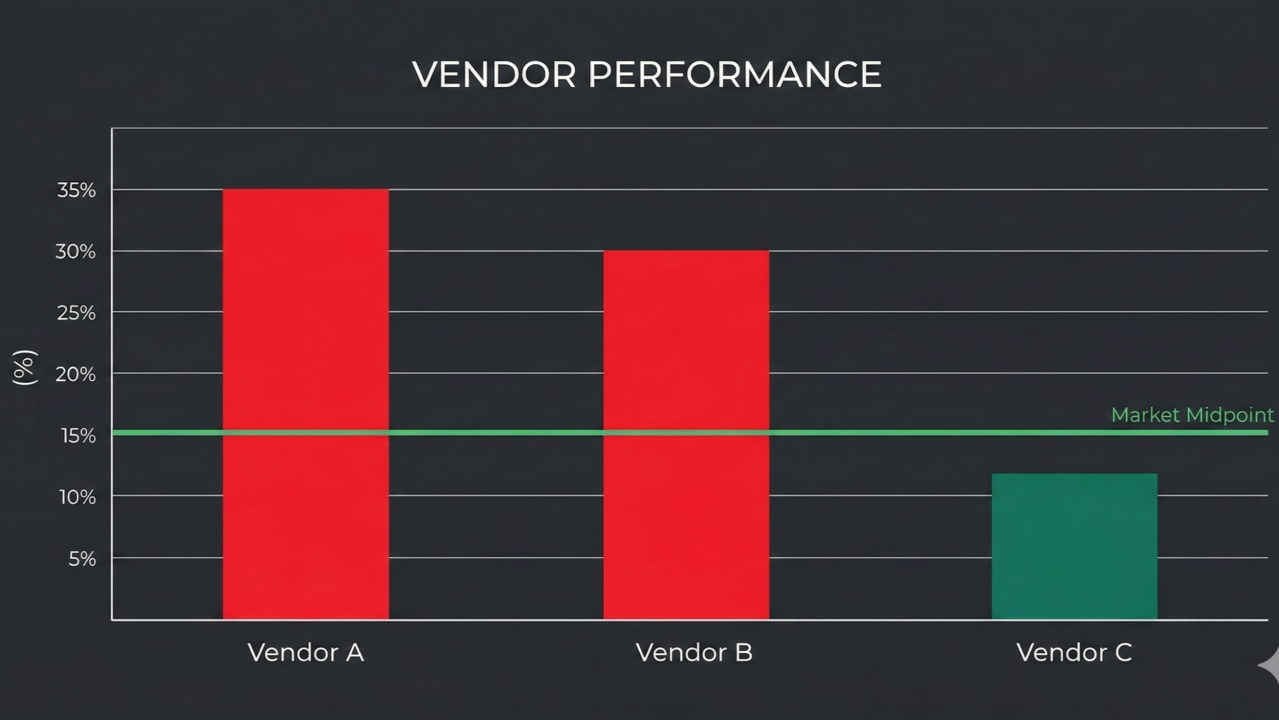
Most contingent workforce programs do not have a systematic process for refreshing rate benchmarks. The rate card gets negotiated at contract renewal, which happens every one or two years, and drifts in between. Vendors know this. They price accordingly.
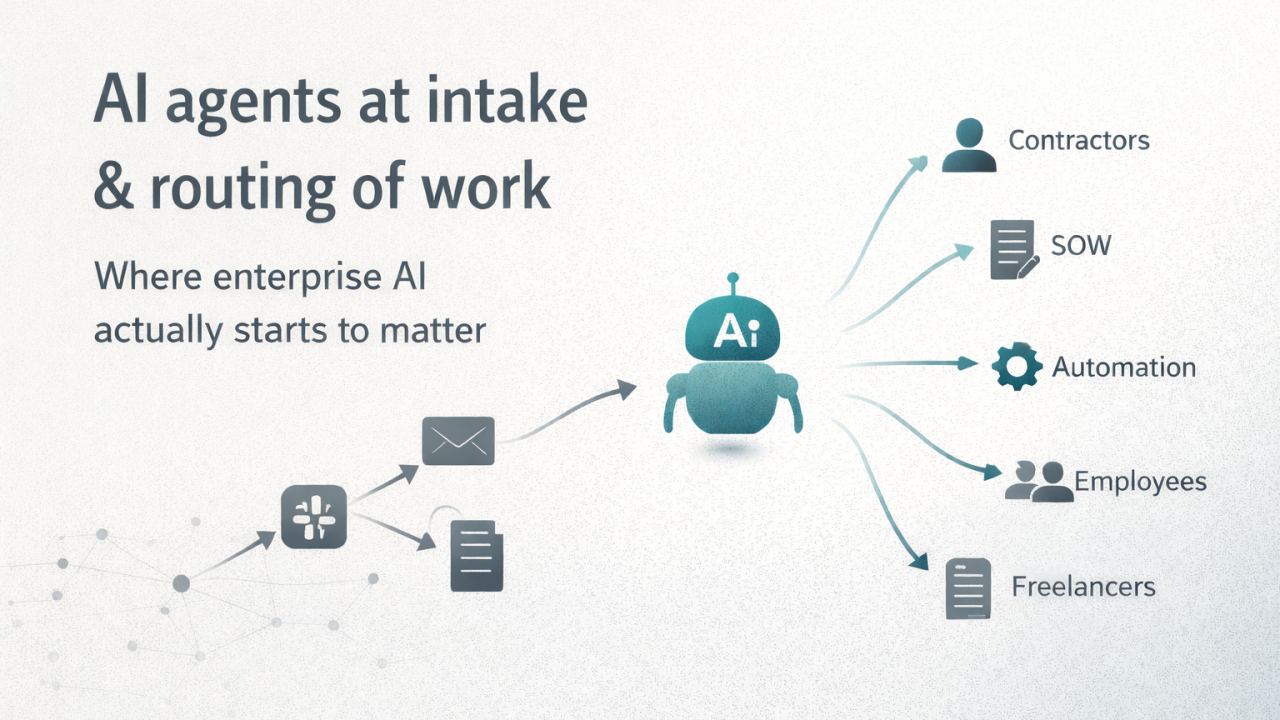
AI Agents at Intake & Routing of Work: Where Enterprise AI Actually Starts to Matter
In most enterprises, intake is treated as an administrative step. A request form. An email to HR. A Slack message to procurement. But intake is not admin. It's a decision bottleneck.
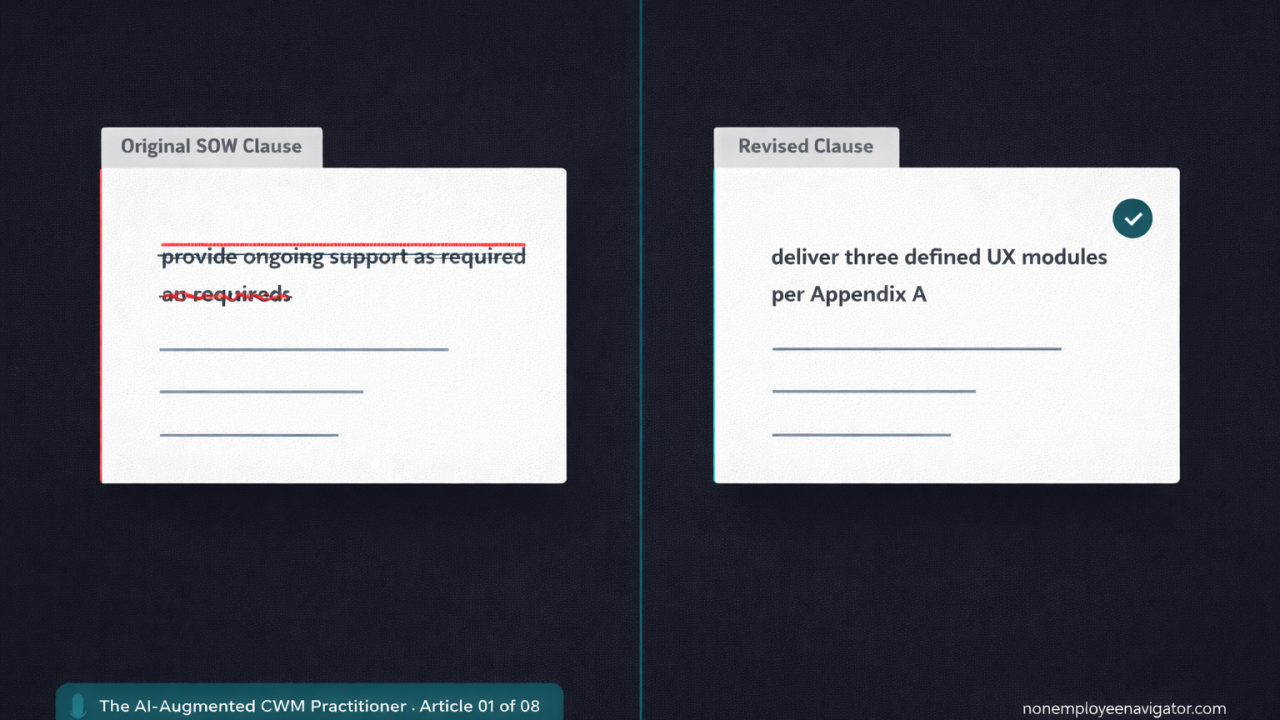
Your SOW Is Costing You More Than the Vendor Is.
The SOW is the most underreviewed document in contingent workforce management. It looks like a contract. It is signed like a contract. But most SOWs in project-based contingent programs are written loosely enough to create the exact co-employment exposure they are supposed to prevent.
Building a Contingent Talent COE as You Scale: A Practical APAC Playbook
As organizations across APAC scale, the question isn't whether to build a Contingent Talent Center of Excellence. It's when, how, and how far to internalize versus outsource.
Tech-Forward Talent: The Next Wave of Non-employee Workforce Solutions in APAC
The Asia-Pacific region stands at a critical juncture where explosive digital growth intersects with a chronic, severe skills deficit and an increasingly complex regulatory environment. For organizations to maintain competitive agility and sustain growth, the reactive management of external workers must transition into the strategic integration of the non-employee workforce within a unified Total Talent Management framework.
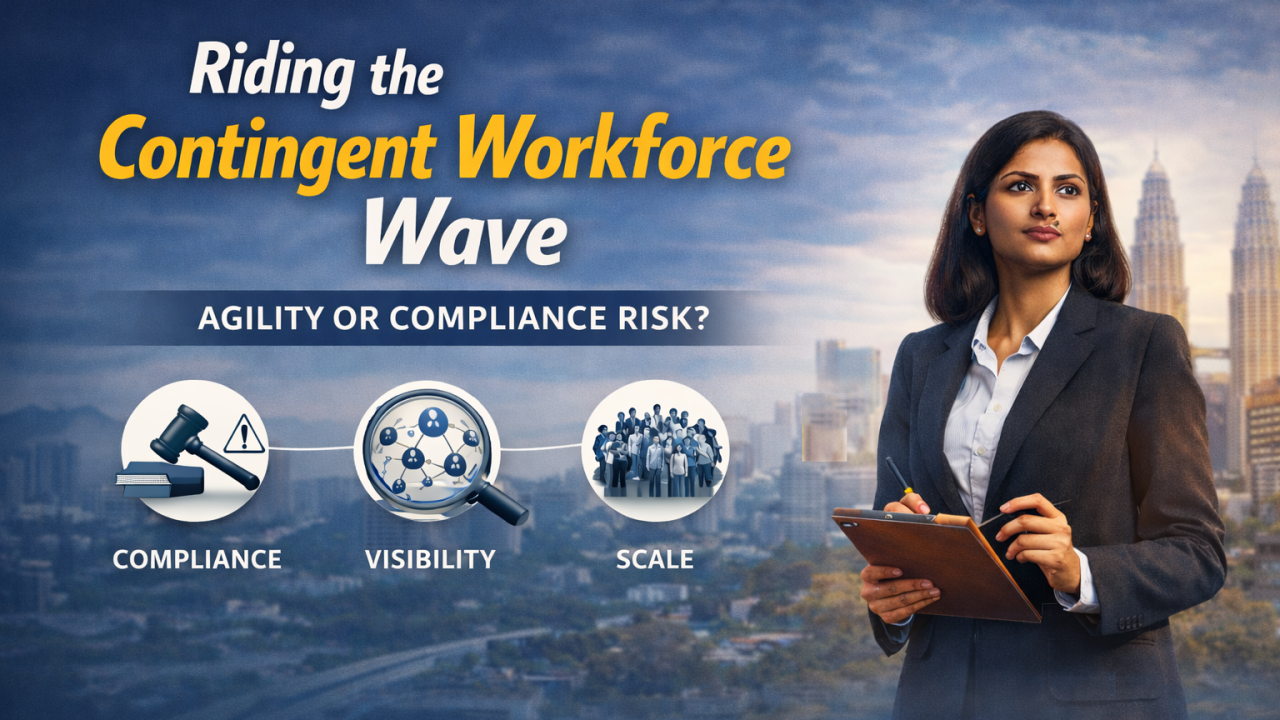
The Ticking Time Bomb in Your Workforce: Are You Ready for the Contingent Worker Revolution?
Your organization is likely already part of a seismic shift happening across India, Southeast Asia and beyond. To gain agility and access specialized skills, you're hiring more contractors, freelancers, and gig workers. But is your approach a strategic advantage or a ticking compliance time bomb?
Understanding Contingent Worker Classification: A Spectrum of Control
In an increasingly agile and outsourced world of work, organisations are engaging non-employee talent through diverse models — temps, freelancers, independent contractors, and Statement of Work (SOW) arrangements. But with this flexibility comes complexity. Misclassifying contingent workers can lead to significant compliance risk, co-employment exposure, and financial penalties.
Introducing Vendor Management Systems for Contingent Workforce Management
A VMS is a digital platform used to procure, manage, and optimise contingent labor. It acts as the centralised nervous system that connects employers with their staffing suppliers, independent contractors, and sometimes even SOW vendors. In a world where agility, speed, and specialised skills define competitive advantage, the contingent workforce has become indispensable.
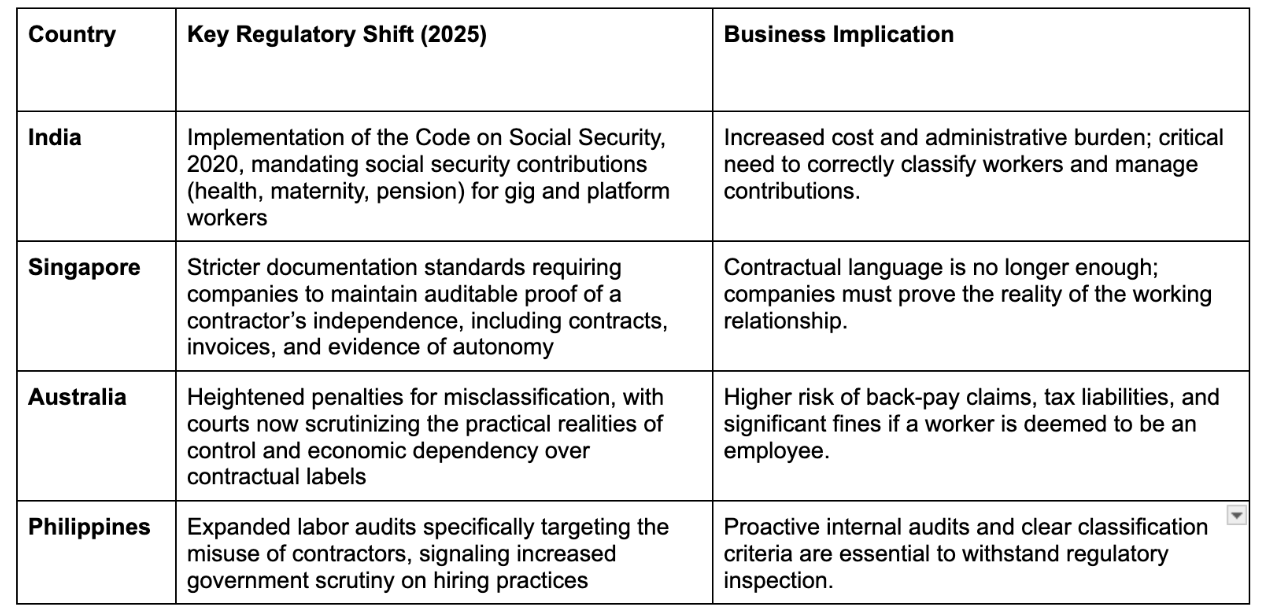
Risk Unraveled: Navigating APAC's Contingent Compliance Maze
The Asia-Pacific (APAC) region is the world's fastest-growing market for contingent workforces, driven by a need for agility and specialised skills. However, this growth is met with a fragmented and rapidly evolving regulatory landscape. For multi-country operations, managing compliance for non-employee or contingent talent is a high-stakes challenge.
Total Talent Management: More Than a Buzzword, It's a Business Imperative for APAC's Dynamic Future
In an era defined by rapid market shifts, technological disruption, and an increasingly diversified talent landscape, the traditional approach to workforce management is no longer sufficient. For HR, Talent Acquisition (TA), and Procurement leaders, clinging to siloed strategies—where full-time employees are managed distinctly from contingent workers, and both are separate from vendor-managed projects—is a recipe for inefficiency, compliance risk, and missed opportunities.
Your Headcount Spreadsheet is Lying: Why HR & TA Must Lead the Blended Workforce Revolution
For too long, HR and Talent Acquisition leaders have operated with a critical blindspot: we're managing half a workforce. The traditional headcount spreadsheet, once a pillar of organizational planning, now paints an incomplete - and often misleading—picture of who is actually driving value within your company.
Busting the Headcount Myth: Why It's Time to Measure What Matters
In boardrooms and strategy sessions worldwide, a single number often reigns supreme: headcount. It's presented as a proxy for growth, a measure of scale, and sometimes, even a sign of strength. But what if this seemingly fundamental metric is actually a vanity metric, obscuring true workforce performance and hindering real value creation?
The Evolution of Contingent Workforce Practices in Organisations
In today's dynamic business environment, how organisations engage talent has shifted dramatically. The traditional model of permanent, full-time employees is giving way to a more agile, blended workforce. Contingent talent — once a tactical fix — is now a strategic imperative. This article explores the five key phases in the evolution of contingent workforce practices.
The Evolution of Contingent Workforce Practices in Organisation's
What began as transactional hiring is now a critical part of business agility, innovation, and growth. CHROs and CPOs alike must think beyond silos and tools — toward unified workforce strategies that treat talent as an integrated continuum. This comprehensive guide explores the transformation from ad hoc tactical hiring to AI-powered, skills-first ecosystems.